
You are reading: School Cleaning Services vs In-House Cleaning: Which Is Better for Australian Schools in 2026?
21 January 2026
8min read time
Paul P.
School Cleaning Services vs In-House Cleaning: Which Is Better for Australian Schools in 2026?
Share:

In Australia, school cleaning is no longer just about appearance. It’s about student health, regulatory compliance, odour control, and operational efficiency.
A clean environment and a hygienic learning environment are essential for promoting student health, safety, and success, as well as preventing the spread of germs within educational facilities.
As we move into 2026, Australian schools, principals, and facilities managers are reassessing whether contracted school cleaning services or in-house cleaning teams deliver better value and results. With tighter budgets, higher hygiene expectations, and growing scrutiny from parents and regulators, the decision has become a strategic one. Commercial cleaning services and expert cleaners use high-quality, non-toxic cleaning products to address specific school cleaning needs, ensuring safe and effective cleaning for students and staff.
Having worked across Australian education environments, one thing is clear: the best cleaning outcomes are driven by investment, accountability, and modern practices, not just who employs the cleaners. This article breaks down school cleaning services vs in-house cleaning in Australia, using real-world performance insights to help schools make confident, commercial decisions.
Providing a clean environment for students promotes student success and ensures that germs do not breed or spread throughout the school. Healthy students mean more effective learning, higher levels of success, and the elimination of potential health hazards.
In-House Cleaning vs Contracted School Cleaning Services: An Australian Overview
Across Australia, both in-house and outsourced cleaning models are used in government, Catholic, and independent schools. Both in-house teams and commercial cleaning contractors with extensive experience can deliver high standards, but outcomes vary significantly depending on how each model is implemented.
Experience shows that schools managing cleaning in-house and investing in modern equipment, chemicals, and training consistently achieve higher cleaning standards. Floors are cleaner, bathrooms smell better, and presentation is more consistent. The importance of a tailored service and cleaning schedule cannot be overstated—a school cleaning schedule is created by classifying areas by risk and usage, then assigning cleaning frequencies such as daily for high-touch points, weekly for floors, and periodic for deep cleans.
This does not mean professional school cleaning contractors or school cleaners cannot deliver comparable outcomes. Many can, especially when using hospital-grade disinfectant and regular cleaning to remove dirt and organic matter, while routine disinfection kills harmful germs and viruses that cause illness. However, in practice, stronger and more reliable results are more commonly achieved where schools retain direct control over staffing, equipment, and cleaning methods.
Performance of In-House Cleaning in Australian Government Schools
In many Australian state government schools that retain in-house cleaning teams, performance is typically stronger.
Key advantages include:
- Cleaners embedded within the school community
- Clear accountability to principals and business managers
- Alignment with site-specific expectations and routines
- Higher job satisfaction and staff retention
Because in-house teams work exclusively on-site, they develop a deep understanding of:
- High-traffic zones such as corridors and canteens, including the need for consistent cleaning of these areas
- Cleaning classrooms thoroughly, vacuuming carpets, and wiping down hard surfaces like desks, chairs, and door handles, especially in high foot traffic areas
- Bathrooms and change rooms with odour challenges
- Seasonal demands and school events
This familiarity allows for better prioritisation and proactive cleaning, rather than a minimum-compliance approach.
Effective cleaning practices in classrooms involve daily disinfection of high-touch surfaces using microfiber cloths, ensuring the removal of germs and other contaminants to maintain a safe and hygienic learning environment.
Challenges with Contracted and Subcontracted Cleaning Models in Australia
Many Australian education departments rely on contracted cleaning services, often delivered through large providers using multiple subcontractors. Commercial cleaners are expected to deliver the same level of quality and professionalism as in-house teams, ensuring that educational environments are maintained to high standards.
This model introduces several commercial risks:
- Cleaners may not be employed by the primary contractor
- Inconsistent staffing across schools
- Wide variation in cleaning standards and equipment
While departments may specify minimum service levels, actual outcomes depend heavily on the local subcontractor’s resources and practices.
Common issues observed in subcontracted school cleaning include:
- Continued reliance on string mops
- Limited use of modern floor scrubbers
- Minimal adoption of robotic cleaning solutions
- Inconsistent training and supervision
To ensure cleaning services meet the needs of students and staff alike, quality assurance measures such as regular inspections and feedback mechanisms are essential. As a result, cleaning quality can vary dramatically between schools under the same contract.
Customised Cleaning Plans for Australian Schools
Customised cleaning plans are becoming a cornerstone of effective school cleaning in Australia. Every educational facility—whether a bustling primary school, a large secondary college, or a university campus—has unique cleaning needs shaped by its size, layout, and daily activities. Professional school cleaning services and in-house school cleaning teams understand this diversity and offer tailored cleaning solutions designed to create a safe and hygienic environment for both students and staff.
Both models go beyond basic routine cleaning. They include deep cleaning of classrooms, thorough cleaning of bathrooms, and specialised window cleaning to ensure every corner of the school is spotless. High-traffic areas, such as corridors, cafeterias, and sports facilities, receive extra attention to remove dirt and organic matter, minimising the risk of germ transmission and supporting a healthier environment for everyone on campus.
Schools evaluating outsourced or internal cleaning teams should also consider the education cleaning solutions designed specifically for high-traffic learning environments.
University, public, and private schools are also doing it, ensuring that each institution receives the level of care and attention it requires. By implementing customised cleaning plans, schools can maintain a consistently clean and safe environment, tailored to their specific needs and schedules. This approach not only supports a healthier environment for students and staff but also enhances the overall learning experience by providing a clean, welcoming space for education.
Autonomy, Control, and Innovation with In-House School Cleaning
One of the strongest commercial advantages of in-house cleaning is operational control.
Australian schools running in-house models can:
- Recruit cleaners aligned with school culture
- Adjust staffing levels without contract renegotiation
- Implement best-practice cleaning systems
- Invest directly in modern machinery and chemicals
- Provide customizable plans and flexible scheduling to align with school activities and minimize disruptions
Having a friendly team that works closely with school staff and administrators helps build trust and ensures a professional, customer-focused cleaning service.
This autonomy allows schools to modernise cleaning faster, respond to issues immediately, and maintain consistent standards across all areas of the campus.
Children Checks and Safety in School Cleaning
Safety is paramount in any educational environment, and this extends to the cleaning staff who work within schools. Children checks, such as the Working With Children Check (WWCC) and National Police Checks, are a fundamental requirement for anyone involved in school cleaning. Professional cleaning services ensure that all their staff undergo rigorous background screening before setting foot in a school.
Beyond background checks, reputable cleaning services implement strict protocols to safeguard students and staff. This includes secure key management, controlled access to school facilities, and clear staff identification at all times. These measures help maintain a safe and hygienic environment, giving school communities peace of mind.
Regular training and supervision are also essential. Professional cleaning staff are equipped to handle the unique challenges of school cleaning, from bathroom sanitation to classroom cleaning, all while minimising disruption to learning. By partnering with trusted cleaning services, schools can be confident that their cleaning teams are not only skilled and reliable but also fully committed to upholding the highest standards of safety and hygiene in educational environments.
Practical Technology Improvements for Australian High Schools
Modern cleaning technology is already transforming school cleaning across Australia.
In high school environments, targeted upgrades deliver measurable improvements in hygiene while reducing labour hours:
- Gymnasiums and halls: Robotic floor scrubbers provide hands-free cleaning of large open areas, improving consistency and freeing staff for detailed work.
- Corridors: Autonomous floor cleaning machines efficiently clean long walkways common in Australian secondary schools.
- Classrooms: Drop-and-go robotic vacuums maintain floors while cleaners focus on desks, chairs, windows, and fixtures. Carpets are regularly steam cleaned using non-toxic products, ensuring they are completely dry to prevent mould.
- Bathrooms: Upright, flexible floor scrubbers combined with microbial cleaning chemicals provide proper agitation and extraction. EPA/hospital-grade disinfectants are used with the proper dwell time for maximum effectiveness. This approach effectively removes odour at the source. Traditional string mops typically remove only around 30 percent of dirt, often spreading contamination rather than eliminating it.
- Fitness centres: Modern cleaning technology is also applied in fitness centres, ensuring hygiene and safety in these high-traffic, health-focused environments.
Schools that adopt these technologies report better presentation, reduced complaints, and improved cleaning efficiency.
Cost Considerations for Australian Schools in 2026
From a commercial perspective, cleaning costs must be evaluated beyond hourly rates.
True cost drivers include:
- Equipment quality and lifespan
- Labour efficiency
- Chemical effectiveness
- Time allocated per area
In-house cleaning often delivers better long-term value when schools:
- Invest in modern machinery
- Reduce manual labour through automation
- Improve productivity without reducing cleaning frequency
Contracted cleaning may appear cheaper on paper, but under-resourced contracts often lead to poor outcomes, higher complaints, and reputational risk.
Which Cleaning Model Is Better for Australian Schools in 2026?
So, which is better: in-house cleaning or contracted school cleaning services in Australia?
Both models can succeed, but only when properly supported.
Key success factors include:
- Access to modern equipment and machinery
- Effective, school-safe chemicals
- Adequate cleaning time allocations
- Clear accountability and performance monitoring
- Ability to provide tailored service to meet specific school cleaning needs
Where Australian schools have the capability and autonomy, well-supported in-house cleaning models consistently deliver stronger, more reliable results. Contracted services can also perform well, but outcomes depend heavily on contract structure, subcontracting levels, and investment in technology.
The Urgent Need to Modernise School Cleaning in Australia
Across Australia, many schools still rely on outdated manual cleaning methods, including:
- String mops
- Single-disc scrubbers without vacuum recovery
- Labour-heavy processes that no longer meet modern hygiene expectations
To ensure a safe and healthy environment, schools should use non-toxic, biodegradable, low-VOC cleaning products that are safe for children and staff. The use of colour-coded cleaning tools is also essential to prevent cross-contamination between different areas.
To lift cleaning standards in 2026 and beyond, schools must modernise regardless of the employment model. This means:
- Investing in automation and robotics
- Upgrading floor cleaning systems
- Moving away from outdated tools
Modern school cleaning directly impacts health, learning outcomes, and community trust.
Conclusion
Ready to raise the standard of cleanliness in your school?
Now is the time to review your cleaning model, modernise your practices, and demand outcomes that support student wellbeing and staff confidence. Whether you are considering strengthening your in-house team or reassessing external providers, the right approach starts with evidence, accountability, and a clear performance framework.
Start planning for 2026 today and ensure your school’s cleaning strategy delivers consistency, transparency, and measurable results where it matters most.
Ready to see what modern school cleaning looks like in practice?
Book a demo to experience how performance-led cleaning systems deliver consistency, accountability, and measurable results. Or request a tailored quote to see how a smarter cleaning model can work for your school in 2026 and beyond.
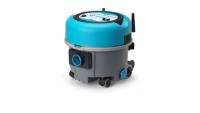
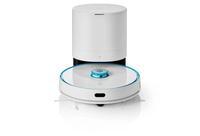
Products Featured Inside this Article


Media and Insights
Join the movement that's changing what clean means.
Be part of a cleaner world. Get a live demo at a time that suits you.
Book a Demo
