
You are reading: 7 Restaurant Cleaning Mistakes That Can Lead to Failed Health Inspections (And How to Avoid Them)
08 June 2026
8min read time
Paul P.
7 Restaurant Cleaning Mistakes That Can Lead to Failed Health Inspections (And How to Avoid Them)
Share:

A health inspection can make or break a restaurant's reputation.
Failing an inspection doesn't just lead to fines and compliance notices—it can result in operational disruptions, negative customer perceptions, and costly corrective actions. As Environmental Health Officers (EHOs) across Australia continue to place greater emphasis on food safety, sanitation, and workplace safety, restaurant operators need to ensure their cleaning practices meet modern compliance standards.
Investing in the right hospitality cleaning equipment can help restaurants maintain hygiene standards and reduce the risk of failed inspections.
The challenge? Many health inspection failures are caused by preventable restaurant cleaning mistakes that build up over time.
From greasy floors to overlooked food debris, small cleaning oversights can quickly become major compliance concerns.
Here are seven common cleaning mistakes that cause restaurants to fail health inspections—and what you can do to avoid them.
1. Greasy and Slippery Floors
Why It Fails Inspections
Commercial kitchen floors are constantly exposed to grease, oil, food particles, and moisture. Over time, these contaminants create slip hazards that pose risks to both employees and customers.
Inspectors often view greasy floors as an indicator that cleaning procedures may be inadequate throughout the venue.
How to Avoid It
Implement a daily floor maintenance program that includes commercial-grade degreasers and mechanical floor cleaning.
Unlike traditional mops that often spread grease around, commercial floor scrubbers actively remove contaminants from the surface.
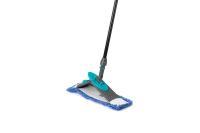
The i-mop XL is designed specifically for demanding commercial environments, delivering the cleaning power of a scrubber with the manoeuvrability of a mop. It helps restaurants maintain cleaner floors, improve safety, and reduce drying times.
See this restaurant cleaning case study to learn how a food-service operator improved floor hygiene and cleaning efficiency.
2. Ignoring Hard-to-Reach Areas Under Equipment
Why It Fails Inspections
The spaces beneath fryers, refrigerators, prep stations, and cooking equipment are among the most commonly overlooked areas in commercial kitchens.
Food debris, grease, moisture, and bacteria can accumulate unnoticed, creating ideal conditions for pests and contamination.
How to Avoid It
Schedule routine deep-cleaning sessions that specifically target hard-to-reach spaces.
Ensure cleaning teams move equipment where practical and use tools capable of reaching confined areas. Regular deep cleaning helps eliminate hidden contamination risks before they become inspection issues.
3. Inconsistent Cleaning During Busy Service Periods
Why It Fails Inspections
When service gets busy, cleaning often becomes a lower priority.
Spills remain unattended, surfaces aren't sanitised promptly, and waste accumulates throughout the shift. Over time, these inconsistencies create visible hygiene concerns that inspectors can quickly identify.
How to Avoid It
Create structured cleaning schedules that include tasks before, during, and after service.
Assign responsibilities clearly and establish cleaning checkpoints throughout the day. Using efficient cleaning equipment can also help staff maintain hygiene standards without disrupting operations.
4. Delayed Spill Management
Why It Fails Inspections
A small spill can become a major compliance issue if left unattended.
Grease, liquids, and food spills create slip hazards, increase contamination risks, and contribute to an overall perception of poor housekeeping.
How to Avoid It
Implement an immediate spill-response procedure.
Staff should be trained to identify hazards, clean spills promptly, and conduct routine floor inspections throughout each shift. Fast response times help minimise safety risks while supporting compliance.
5. Food Debris and Waste Buildup
Why It Fails Inspections
Food scraps, overflowing bins, and poorly maintained waste areas are among the leading causes of pest-related violations.
Inspectors pay close attention to waste management practices because accumulated food debris can quickly attract rodents, insects, and other pests.
How to Avoid It
Increase cleaning frequency in food preparation and waste disposal areas.
Ensure bins are emptied regularly, waste storage areas are sanitised, and food residue is removed throughout the day rather than waiting until closing time.
6. Using Ineffective Cleaning Tools
Why It Fails Inspections
Many restaurants still rely on traditional mop-and-bucket systems that often redistribute grease, bacteria, and dirty water instead of removing them completely.
This can leave behind residues that compromise hygiene standards and increase the risk of contamination.
How to Avoid It
Using the right commercial kitchen cleaning equipment can help prevent many of the hygiene issues that commonly lead to failed inspections.
Invest in cleaning solutions designed for commercial food-service environments.
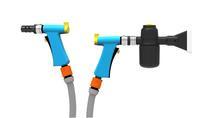
The i-spraywash helps tackle grease, food residue, and high-touch surfaces more effectively, while the i-mop XL provides a deeper, more consistent floor clean than traditional methods.
For food preparation and dining areas, the i-fibre HACCP colour-coded microfibre system helps reduce cross-contamination risks by ensuring cleaning tools are designated for specific zones.
Together, these solutions help improve hygiene outcomes while reducing cleaning time and labour costs.
7. Neglecting High-Traffic Areas
Why It Fails Inspections
Entrances, kitchen walkways, service counters, and dining areas experience constant foot traffic throughout the day.
These areas quickly collect dirt, moisture, grease, and debris, making them some of the first places inspectors notice.
How to Avoid It
Establish routine cleaning checkpoints for high-traffic zones.
Regular inspections and touchpoint cleaning throughout the day help maintain a cleaner environment, improve customer impressions, and ensure your venue remains inspection-ready.
Smarter Cleaning for Commercial Kitchen Compliance
Health inspections are increasingly focused on more than just visible cleanliness.
Inspectors are looking for evidence that restaurants have effective systems in place to manage hygiene risks, prevent cross-contamination, reduce slip hazards, and maintain consistent cleaning standards.
Traditional mopping methods can leave behind moisture, grease, and bacteria that inspectors quickly notice. Modern cleaning solutions help restaurants improve hygiene performance while reducing cleaning time and labour requirements.
Solutions such as:
- i-mop XL for efficient floor scrubbing and faster drying floors
- i-spraywash for tackling grease, food residue, and high-touch surfaces
- i-fibre HACCP colour-coded microfibre systems for better contamination control
can help support a more proactive approach to restaurant hygiene and compliance.
Stay Inspection-Ready Every Day
The best way to pass a health inspection is to operate as though an inspector could arrive at any time.
By addressing these seven common restaurant cleaning mistakes, restaurant operators can improve hygiene standards, reduce compliance risks, create safer workplaces, and protect their reputation.
Preventive cleaning isn't just about passing inspections—it's about building a cleaner, safer, and more efficient operation for staff and customers alike.
Want to see how modern cleaning solutions can help your restaurant stay inspection-ready?
Book a FREE Demo today and discover how i-mop XL, i-spraywash, and i-fibre can help improve cleaning performance, reduce labour, and support compliance across your venue.
Products Featured Inside this Article




Join the movement that's changing what clean means.
Be part of a cleaner world. Get a live demo at a time that suits you.
Book a Demo
